Priory Food Bank Winter Collection: Drop-Off Points and Most Needed Items
October 12, 2026 - Announcements

October 11, 2026 - Announcements
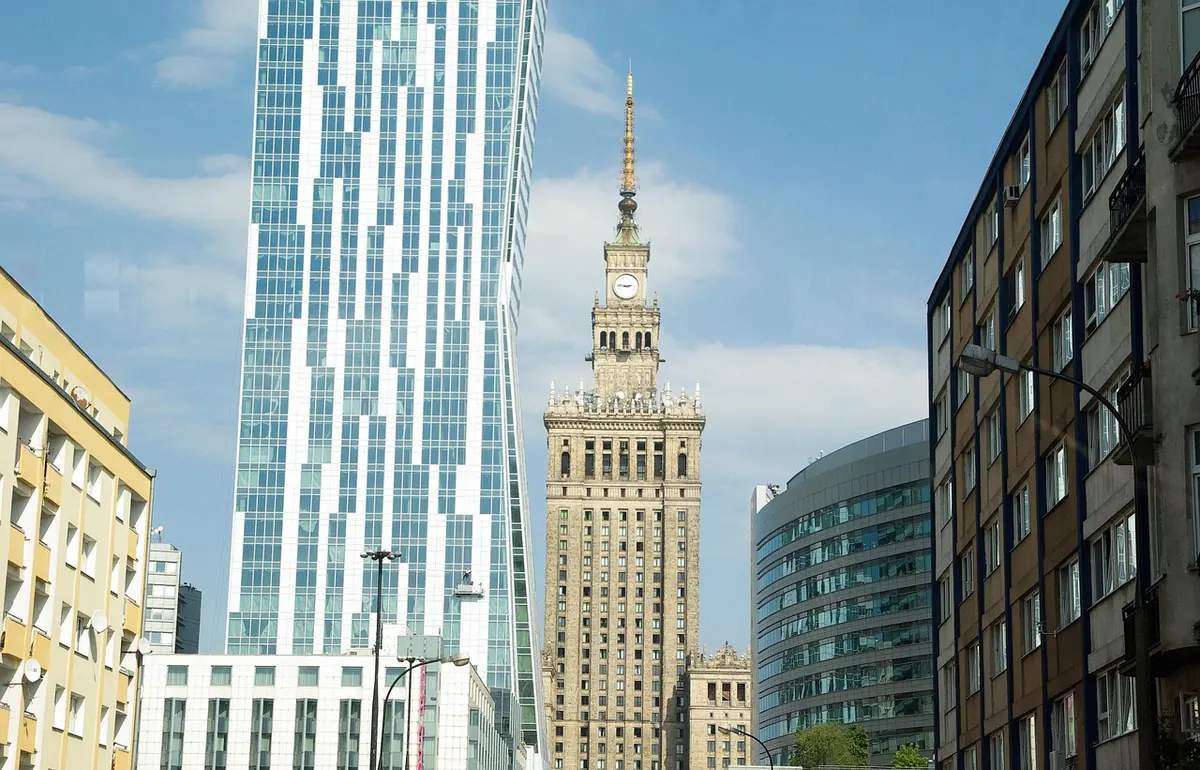
Stand at the top of Priory High Street on a damp Tuesday morning and it reads as one settled place, complete and permanent. Then someone hands you a print from a hundred years ago, taken from roughly the same spot, and the same forty yards splits in two. The awnings have gone. The people have changed three times over. The bones of the street have not moved an inch. That gap — between the bones and the surface — is where local history gets interesting.
High streets are generous subjects. Photographers tended to stand in the same handful of places — the junction, the church gate, the top of the rise — because those were the spots with a view. Repeat that position today and you get an accidental time-lapse, made by someone who had no idea they were making one.
A written account tells you what a reporter noticed. A photograph keeps everything at once: the drainpipe, the handcart, the child leaning on a bollard, the gap where a wall had recently come down. Nobody chose those details to be important, which is exactly why they are.
Before hunting for change, look for continuity. It steadies the eye, and it makes the differences stand out instead of blurring together.
Rooflines are the most stubborn feature of any street. Chimney stacks, the pitch of a gable, the shape of a parapet — these survive repainting, rewindowings and two or three changes of use at ground level. So do the fundamentals of the plot: the width of a pavement, the position of a doorway, the awkward angle where two buildings meet because one was put up thirty years after the other.
Houses get new windows, new paint, new signs. They very rarely get moved.
If you can match four or five fixed points between an old print and the view in front of you, everything else in the frame becomes a measurable difference rather than a guess.
Work through a photograph in a sequence rather than trying to absorb it all at once.
Ground floors turn over far more often than upper floors, and the contrast is often visible in a single frame — a brick first floor above a fascia that has been replaced twice in living memory. Watch for plate glass pushing out small panes, blinds and awnings disappearing, hanging signs giving way to flat lettering, and the arrival of anything illuminated.
Then there are the uses behind the glass: a shop that became a bank that became a café, a pub that closed and reopened under a new name, a front room that lost its front wall entirely when a doorway was widened. Old trade directories and newspaper advertisements are the usual way to trace that sequence. The photograph tells you what it looked like; the directory tells you what it was.
Nothing dates a view like the road. Setts and cobbles gave way to tarmac, gutters were re-laid, pavements widened or narrowed at the whim of a highways department, and the furniture changed entirely. In most older street views you can pick out lamp brackets, overhead wires, bollards, a bench, perhaps a water trough or a mounting step. Modern frames carry bollards too, along with bins, cycle stands, parking signs and the yellow lines that nobody photographs deliberately and everybody has an opinion about.
The biggest single change is usually not an object but a function. Streets built as places to stand, talk and trade became, for much of the twentieth century, places to pass through.
Some losses are so gradual that nobody notices until a photograph points at them.
A few habits separate a pair of photographs you can show someone from a vague impression.
Libraries, museums, record offices and postcard fairs are the usual places to find old views, and a county archive may hold prints you can order or photograph for reference. Your local history society will almost certainly know which images have already been matched and which are still waiting.
Pick three old views, walk them in one loop, and finish somewhere you can sit down. Take your time at the first one. Ask the shopkeeper who has been on the street longest what they remember changing — the answer is often something no photograph recorded, like the year the one-way system arrived or the morning the last delivery round stopped coming.
If you own old prints of the High Street, write on the back while the knowledge is still in the family: date if known, the direction faced, and the name of whoever took it. Offer copies to the local archive, and lend them for scanning rather than handing over originals. Pictures survive in drawers for a while; they survive properly once someone has written down what they show.
Photo: jackmac34 / Pixabay

A practical guide to the Priory Food Bank winter collection, including every drop-off point, the items volunteers...
A practical guide to Priory primary school admissions — the dates that matter, how catchment and sibling rules...
October 11, 2026 - Announcements
Copyright © 2026 The Priory Beacon. All Right Reserved.