Priory Food Bank Winter Collection: Drop-Off Points and Most Needed Items
October 12, 2026 - Announcements


October 11, 2026 - Announcements
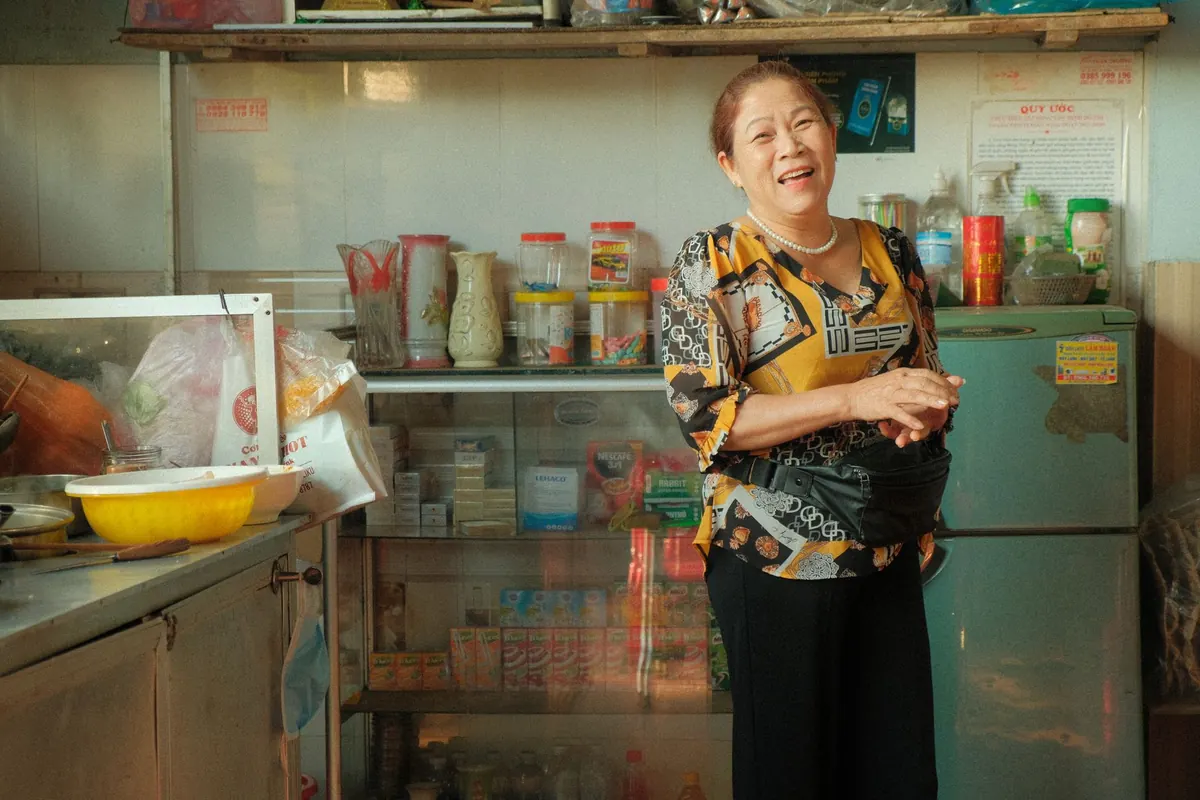
There is a fridge in the corner of the Priory community hall that fills up and empties again almost every day. People drop things off on their way to work; people take things home on their way back. Nobody signs a form, nobody explains their circumstances, and nobody is turned away. If you have walked past it and wondered whether it was meant for you, it is.
What follows is how the fridge works, what belongs in it, and how to use it well — whether you are donating a spare loaf or doing a week's shop on a tight budget.
Community fridges exist to stop good food being thrown away. Local shops, bakeries, allotment holders, cafés and ordinary households pass on surplus they cannot sell or use in time. Volunteers check dates, tidy the shelves, wipe down surfaces and move chilled items into the fridge. Then anyone who wants it can take it.
This is not a food bank. There is no referral, no voucher, no assessment of your income and no queue that asks what you are doing there. It is closer to a very well-organised shared larder: food goes in, food comes out, and the only rule that matters is that what you take should be something you will actually use.
Most fridges of this kind also keep a small amount of shelf-stable food alongside the chilled section — tins, pasta, rice, cereal, long-life milk — plus a box for non-food basics such as toiletries and nappies when they are available. What is on the shelves changes daily, so it is worth treating each visit as a look-and-see rather than a shopping list.
The safest rule is simple: donate only what you would happily eat yourself, and only in the condition you would want to receive it.
Check the labels carefully before you hand anything over. "Best before" is about quality, and food past that date is often perfectly good; "use by" is about safety, and food past that date should not be donated at all.
Some things cause real problems, either because they are unsafe or because they make work for the volunteers who have to bin them.
If you are unsure about an item, ask a volunteer before putting it on the shelf. They would much rather answer a question than throw away a bag of food an hour later.
Using it takes about as much effort as posting a letter. Opening hours are displayed on the door and on the noticeboard beside the fridge, and they do change with volunteer availability, so it is worth a quick check before a special trip. Once you are inside, the process is straightforward.
You do not need to donate in order to take. You do not need to explain yourself to anyone. Some people use the fridge once during a difficult month; others drop in most weeks because it saves money and reduces waste. Both are the point of it.
If you are cooking for someone with an allergy or a medical dietary need, read the labels as carefully as you would with any shop-bought food, and where a condition is involved, take advice from a GP or dietitian rather than relying on the packaging alone.
A fridge is only as good as the people using it. A few small habits make a large difference: take chilled food at the start of your visit rather than the end, keep raw meat away from ready-to-eat items in your bag, and resist the urge to stockpile. If the fridge is full, come back tomorrow — food left on the floor beside it has to be thrown away.
Donating well is mostly about timing and packing. Bring chilled food in a cool bag and put it straight into the fridge. Drop things off during opening hours rather than leaving bags outside, which attracts pests and creates waste. Smaller, more frequent donations beat one enormous delivery, and if you have a glut from an allotment or an event, message the volunteer team first so they can plan shelf space.
The fridge runs on a rota of local people giving half an hour here and there — checking dates, cleaning shelves, carrying boxes, keeping the notices up to date. New helpers are generally welcome, and no experience is needed; you will be shown what to look for. If shifts are not your thing, cleaning supplies, strong bags, and containers are always useful, and simply telling a neighbour the fridge exists is a genuine help.
Next time you shop, buy one extra tin or packet and drop it in. Next time you cook too much for the week ahead, put the unopened ingredients in your bag instead of watching them soften in the drawer. And if money is tight this month, walk in and take what you need without apology. The Priory Community Fridge is there for the whole neighbourhood, and the whole neighbourhood includes you.
Photo: Nguyễn Dung / Pexels

A practical guide to the Priory Food Bank winter collection, including every drop-off point, the items volunteers...
A practical guide to Priory primary school admissions — the dates that matter, how catchment and sibling rules...
October 11, 2026 - Announcements
Copyright © 2026 The Priory Beacon. All Right Reserved.